La Tradi'Verte
Tradi'Verte®: A French Tradition Committed to Climate Action
With its authentic flavor, crispy crust, and generous crumb, Tradi'Verte® offers artisan bakers a solution that combines tradition and commitment.
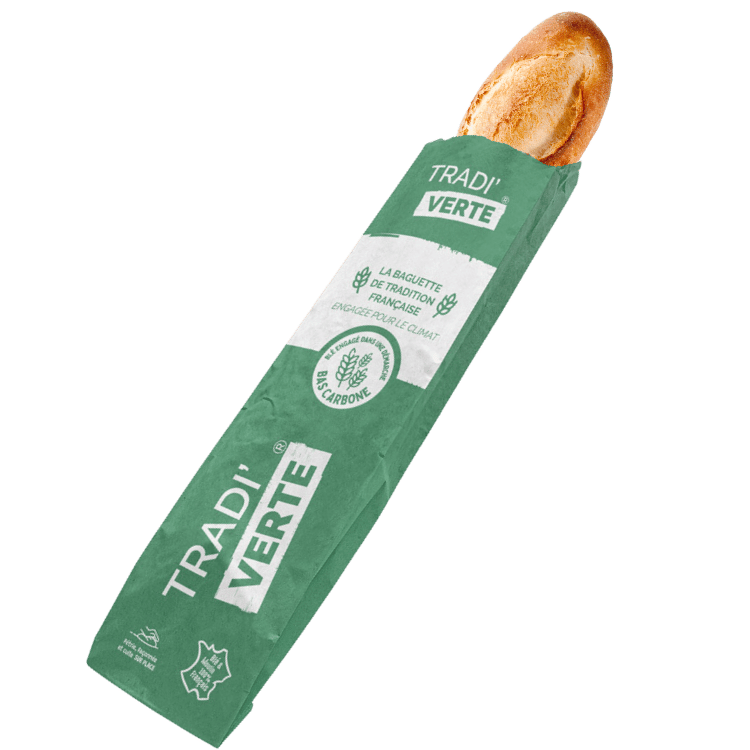
The Tradi'Verte combines the essentials of a traditional French baguette with a concrete commitment to more sustainable agriculture. Made from wheat grown using low-carbon farming practices, it meets consumer expectations while preserving the flavor and craftsmanship that have made French bread famous.
Consumers are increasingly mindful of the origin of the products they buy and their impact on the environment. With the Tradi'Verte, artisan bakers have a distinctive baguette that allows them to highlight their commitment to their customers.
Choosing the Tradi'Verte means supporting farmers committed to a more sustainable supply chain while offering a high-quality product that remains true to the standards of French tradition.
A French Tradition Looking Toward the Future
Tradi'Verte combines high-quality milling, baking expertise, and a commitment to the environment. It offers a concrete solution to today’s challenges while preserving the essence of a true traditional French baguette.
By choosing Tradi'Verte, artisans become part of a collective effort that brings together farmers, millers, bakers, and consumers around a common goal: building a more sustainable supply chain for the future.
*30% reduction in greenhouse gas emissions from soft wheat compared to the Agribalyse benchmark or compared to the average greenhouse gas emissions of supplier farmers.


A low-carbon approach that begins in the field
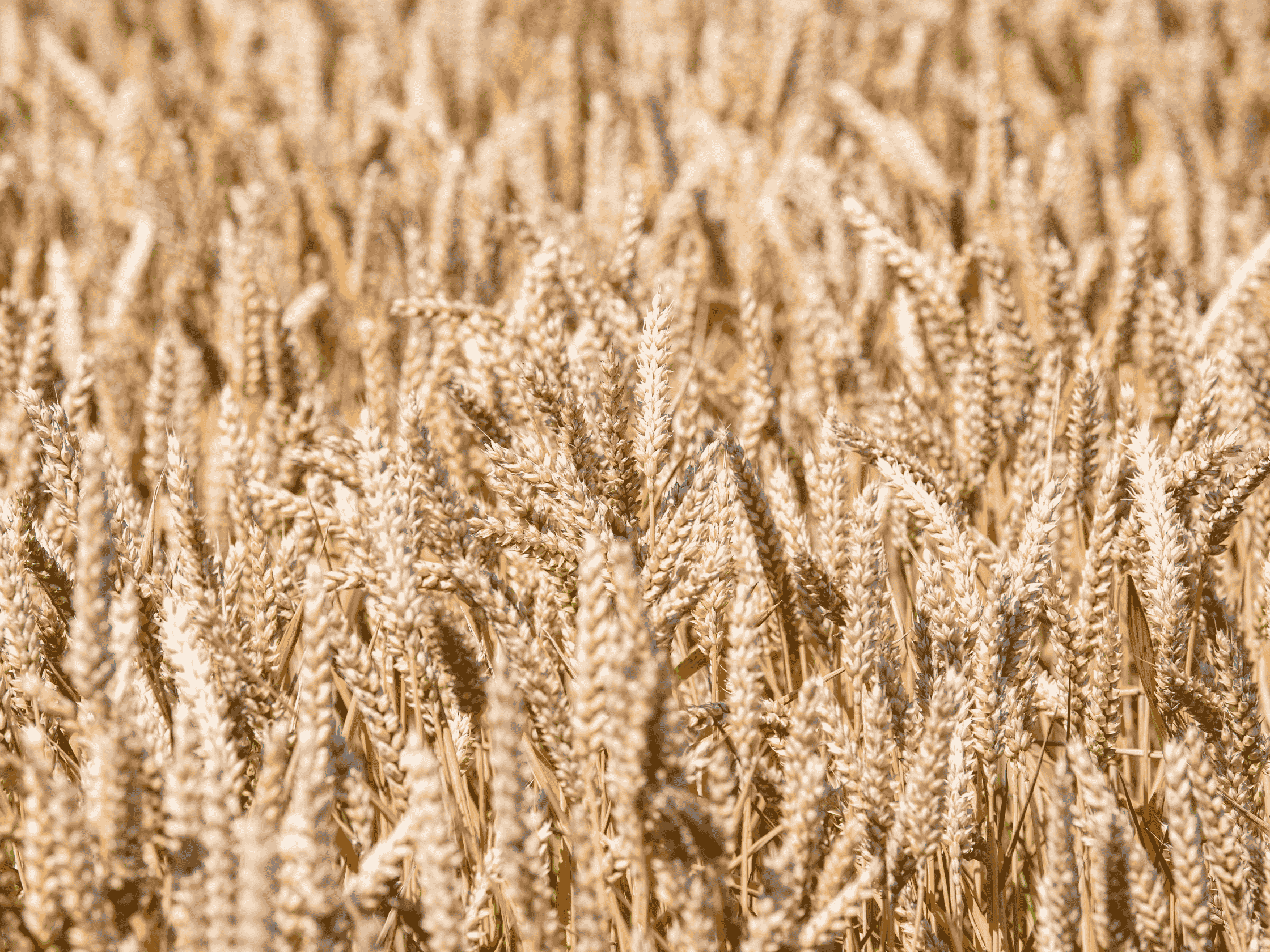
Tradi'Verte’s commitment begins with wheat cultivation. Farmers in the supply chain implement farming practices that reduce the carbon footprint by at least 30%* while preserving soil fertility.
This approach contributes to the development of more resilient agriculture, promotes carbon sequestration in the soil, and is part of a regenerative agriculture strategy. Taking action at the source—in the fields—is one of the most effective ways to reduce the environmental impact of the grain industry.